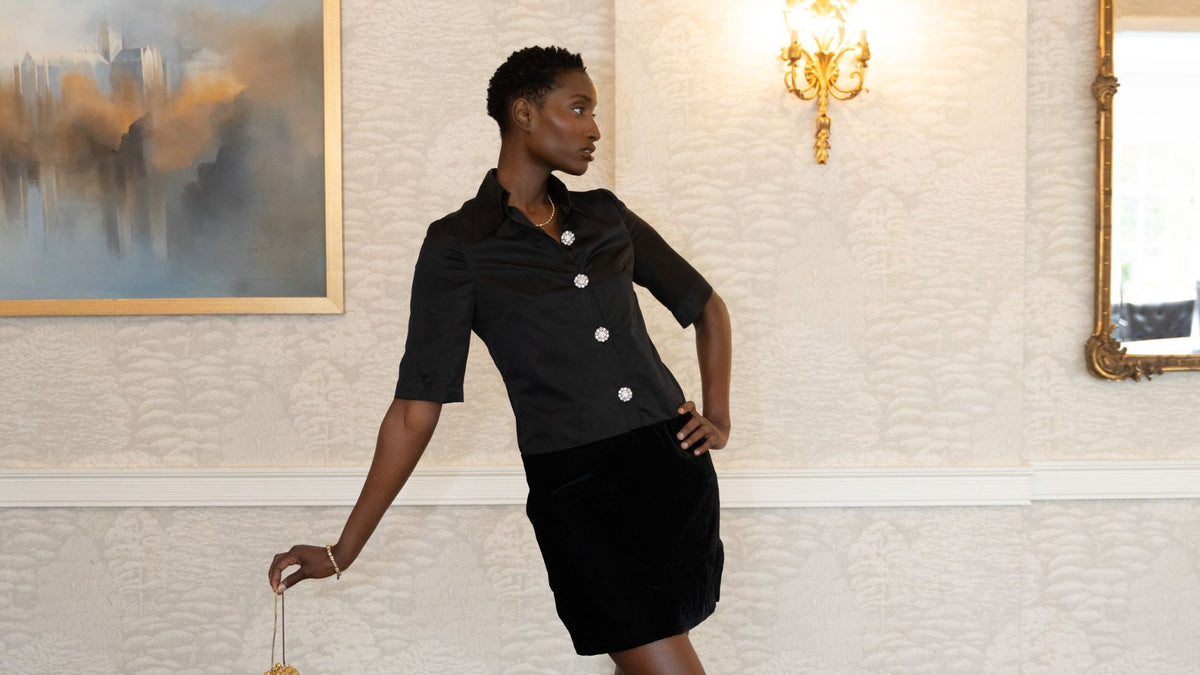
Article: What makes bespoke clothing different? Inside the craft of made-to-measure womenswear
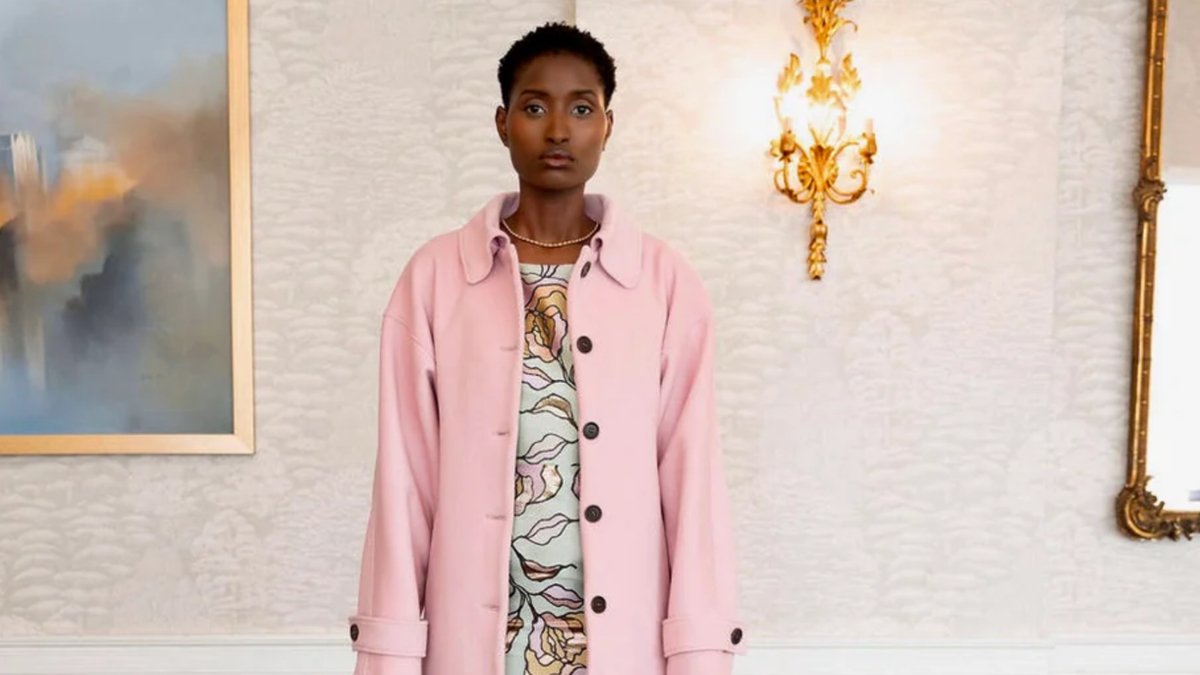
What makes bespoke clothing different? Inside the craft of made-to-measure womenswear
From the first conversation to the final fitting, discover how bespoke womenswear is created, what makes it different from ready-to-wear, and why having a garment made for you is about far more than measurements.
There is something very different about putting on a garment that has been made with you in mind. It isn't simply that the waist sits where it should, the sleeve finishes at exactly the right point or the trouser length works perfectly with your favourite shoes. Those details matter, of course, but bespoke clothing begins long before the first measurement is taken.
It begins with a conversation. At our St Albans atelier, we spend much of our time creating clothing individually for women. Sometimes they arrive with a very clear picture of what they would like us to make. They may have saved photographs, chosen a colour or already know the silhouette in which they feel most themselves.
Others arrive knowing little more than the occasion they're dressing for and how they would like to feel when they walk into the room. Both are perfect places to begin.For us, bespoke womenswear is not about asking a woman to fit herself into an existing design. It is about allowing the design to begin with the woman. And that changes the entire process.
What does bespoke clothing actually mean?
The word bespoke is used frequently in fashion, but its meaning can sometimes become blurred. At its heart, bespoke clothing for women is created specifically for an individual wearer, taking into account her measurements, proportions, preferences, lifestyle and the occasion or purpose for which the garment is being created.
Rather than selecting a standard size from a rail, the process starts from the individual.
That distinction is important because two women who technically wear the same dress size can have completely different proportions. One may be longer through the torso, another may prefer more room through the hip. Shoulder width, posture, height and the way someone likes a garment to sit can all affect how clothing feels once it is actually worn.
But measurements are only part of the story. When we create a bespoke garment, we also consider movement, comfort, fabric, personality and how the wearer wants to feel. A beautifully fitting garment shouldn't simply look good while you stand in front of a mirror. It should work while you're walking, sitting, eating dinner, hugging people, raising a glass or dancing at the end of the evening.
That is particularly important when we are creating bespoke occasionwear, bridalwear or mother of the bride and groom outfits, where a garment may be worn for many hours during a very important day.
Bespoke vs made-to-measure vs ready-to-wear: what's the difference?
These terms are often used interchangeably, but they describe different approaches to making clothing.
Ready-to-wear begins with an existing design produced in predetermined sizes. You select the size that most closely corresponds to your measurements and proportions. At Ferrari + Monti, our ready-to-wear collection is created in small batches, with our designs made in Britain. It offers the simplest way to discover and wear one of our existing designs.
Made-to-measure womenswear sits between ready-to-wear and fully bespoke. You begin with an existing Ferrari + Monti design that you love, but we create it according to your individual measurements and can make appropriate adjustments to the fit. This can be a wonderful option when you have found the dress, trouser, jacket or other piece you want but standard sizing doesn't quite work for your proportions.
Bespoke, meanwhile, gives us the greatest freedom. Rather than beginning with a finished garment, we begin with you. The design, fabric, proportions and details are developed as part of the process, followed by fittings as the garment takes shape.
None of these approaches is inherently the "right" way to shop. They simply offer different levels of personalisation. The important thing is understanding what you're choosing.
Inside a bespoke consultation at our st albans atelier
A bespoke consultation can sound rather formal if you've never experienced one before. In reality, ours begins with a cup of coffee and a conversation.
We want to know what has brought you to us. Perhaps you're the mother of the bride and have spent months searching for something that feels special without feeling unlike yourself. Perhaps you have a black-tie event approaching, need a beautifully tailored suit, or simply have an idea for a garment you have never quite been able to find.
For bridal clients, it might be the beginning of creating a wedding dress entirely around their own vision. You don't need to know exactly what you want before your appointment. In fact, part of our role as designers is helping you work that out.
We'll talk about the occasion, the pieces you already enjoy wearing, silhouettes you feel comfortable in and anything you definitely don't want. If you've collected photographs, Pinterest inspiration, colour ideas or accessories, those can all help us understand the direction. From there, we begin exploring possibilities.
Step one: finding the design
Before fabric is cut or measurements become a pattern, we need to understand what we're creating. This is where our Italian design heritage and years of working directly with women come into the process.
A client may arrive asking for a dress and ultimately discover that she feels far more herself in beautifully cut separates. Another may love the idea of a particular neckline but need a different proportion to make it work comfortably for her. Bespoke gives us the freedom to have those conversations.
We can think about neckline, sleeve, waist, length, structure, movement and all of the smaller details that eventually make a garment feel personal. The objective isn't to design something simply because it looks impressive on paper. It needs to work for the woman who will actually wear it…
Step two: choosing the fabric
Fabric can completely transform a design. It determines how a garment falls, how much structure it holds, how it moves and, importantly, how it feels against the body. A softly draped fabric will create a completely different silhouette from a structured wool or crisp cotton, even if the initial sketch is similar.
Colour behaves differently from one textile to another too. A deep burgundy in velvet has a different richness from the same family of colour in a lightweight crepe. A pastel can feel romantic in one fabric and contemporary in another. This is why we encourage clients to experience fabrics physically in the atelier.
Choosing from a photograph on a screen can never quite replicate seeing how a textile catches the light, feeling its weight or watching how it moves. For us, this is one of the pleasures of handmade women's clothing: the material isn't an afterthought. It becomes part of the design itself.
Step three: measurements and the individual fit
Once the direction has been established, we take detailed measurements. This is where bespoke begins moving beyond conventional sizing.
A size label can be useful when buying ready-to-wear, but it cannot tell us everything about an individual body. When we're creating something specifically for a client, we're interested in proportion.
Where does her natural waist actually sit? How does the garment need to fall from the shoulder? How much ease will allow her to move comfortably? Where should a jacket finish to create the proportion we're looking for? The aim isn't to change the wearer. The clothing is what needs to adapt. That distinction sits at the heart of our approach to both bespoke and made-to-measure womenswear.
Step four: pattern cutting and construction
This is the part of bespoke that clients don't always get to see. Back inside the atelier, measurements and design decisions become patterns. Patterns become carefully cut pieces of fabric. Those individual pieces gradually begin to resemble the garment we first discussed across the consultation table.
There is pinning, cutting, stitching, pressing, unpicking and refining. And there is time. One of the biggest differences between handmade and mass-produced clothing is that the making itself remains visible in the process.
When we create a garment in our atelier, we can respond to it as it develops rather than simply sending a design into a production system and waiting for the finished result. For Annalisa and Cristopher, the atelier is not simply where clients come for appointments. It is where the clothes are developed.
Step five: the fittings
A fitting is not simply about checking whether a garment is "the right size". It's an opportunity to see the piece on the person for whom it was designed.
We can look at how the fabric behaves on the body, how the proportions work together and how the garment moves. Does the waist sit exactly where we intended? Does the hem need adjusting once the client's chosen shoes are introduced? Does a sleeve need refining? Is there enough freedom of movement?
These can seem like tiny adjustments individually. Together, they are often what creates the difference between wearing a garment and feeling completely comfortable in it.
Depending on the complexity of the design, a bespoke piece may require several fittings before it is complete. We don't see those appointments as imperfections in the process, they are the process.
Why choose bespoke clothing?
There are many reasons someone might choose bespoke, and they aren't always the reasons people expect. Fit is certainly one. For women who find conventional sizing frustrating, having clothing created around their actual proportions can completely change the experience of getting dressed.
But bespoke can also be about individuality. Perhaps you know exactly what you want but cannot find it in shops. Perhaps you're looking for occasionwear and everything available feels too trend-led, too familiar or simply not like you.
It can also be about longevity. When you have been involved in choosing the design, fabric and details of a garment, and when it fits properly and works for your life, there is a very different relationship with that piece.
You know where it came from, you know who made it, and ideally, you want to continue wearing it.
Begin your bespoke journey in St Albans
If you've never commissioned a bespoke garment before, you don't need to arrive at our atelier knowing the terminology, carrying a finished sketch or having every detail decided. You simply need somewhere to begin.
Bring your ideas, the occasion you're dressing for, photographs you've saved or simply tell us what you've been struggling to find. From there, we'll explore the possibilities together.
Our bespoke tailoring in St Albans includes women's suits and separates, occasionwear, mother of the bride and groom outfits and bespoke bridal, alongside made-to-measure options from our existing ready-to-wear designs.
BOOK YOUR BESPOKE CONSULTATION
FAQs
What is bespoke womenswear?
Bespoke womenswear is clothing designed and created specifically for an individual client. The process considers the wearer's measurements, proportions, personal style and preferences, with fittings used to refine the garment as it is made.
What is the difference between bespoke and made-to-measure clothing?
Made-to-measure generally begins with an existing design that is created or adapted to the wearer's individual measurements. Bespoke clothing offers greater design freedom, with the garment developed specifically for the client from the beginning.
Is bespoke clothing only for weddings and special occasions?
No. Bespoke clothing can include occasionwear and bridalwear, but it can also encompass women's tailoring, dresses, separates and other pieces designed to become long-term parts of a wardrobe.
How many fittings does a bespoke garment require?
The number of fittings depends on the garment and complexity of the design. Your designer can advise on the expected process and timeline during the initial consultation.
Do I need to know exactly what I want before booking a bespoke consultation?
Not at all. Inspiration images and ideas are helpful if you have them, but they aren't essential. A bespoke consultation is designed to help establish the right silhouette, fabric, colour and details together.
Where is Ferrari + Monti's bespoke atelier?
Ferrari + Monti's womenswear atelier is based in St Albans, Hertfordshire, where clients can book consultations for bespoke womenswear, bridal, occasionwear, women's tailoring and made-to-measure pieces.

Written by Deborah Cisternino